Drain Lines Cleaned to Full Diameter
Hydro-Jetting in Boca Raton for piping with recurring blockages, slow drainage, or years of accumulated buildup
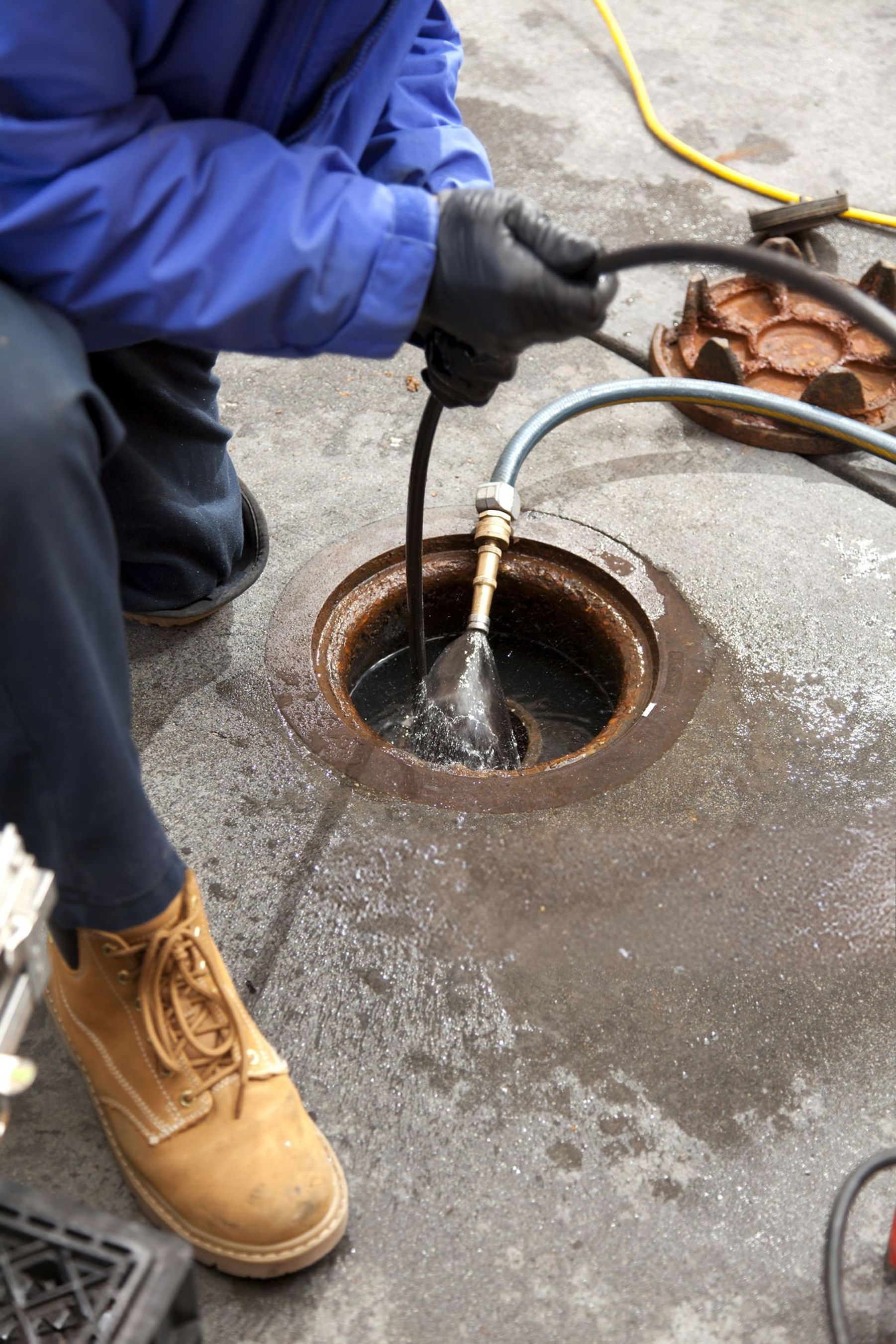
Hydro-jetting removes accumulated grease, scale, root intrusion, and organic material from drain and sewer piping using high-pressure water. This method cleans the entire interior surface of the pipe rather than simply boring a hole through the center of a blockage. Nu-Flow Plumbing uses hydro-jetting in Boca Raton when camera inspection reveals heavy buildup, when drains clog repeatedly after conventional clearing, or when you need to restore full flow capacity before problems escalate.
The process differs from cable snaking by scouring pipe walls clean rather than punching through obstructions. Root masses, hardened grease, and mineral deposits that cable equipment leaves behind get flushed completely, restoring the line to nearly original diameter. Line condition assessment comes first—older piping with cracks or separated joints may not tolerate jetting pressure, so camera inspection identifies structural concerns before cleaning begins.
Ask whether hydro-jetting fits your drain problem when you schedule service for recurring backups.
The Difference Between Clearing and Cleaning
Cable equipment opens a path through blockages but often leaves residue clinging to pipe walls, which shortens the time before the next clog forms. Hydro-jetting directs pressurized water in all directions simultaneously, scraping debris from the pipe interior and flushing it downstream. The nozzle design determines cleaning effectiveness—forward jets propel the hose through the line while rear-facing jets provide the scouring action.
After hydro-jetting, you notice drains empty quickly without hesitation, water no longer backs up during heavy use, and foul odors from decomposing buildup disappear. The cleaning extends beyond the immediate blockage point to address accumulation throughout the affected line, reducing the frequency of future service calls.
The method works best for grease-heavy kitchen lines, main sewer lines with root infiltration, and storm drains clogged with sediment. Hydro-jetting does not repair structural damage like cracks or offset joints—it removes material from inside otherwise sound piping.
Property owners often want to understand when hydro-jetting makes sense and how it compares to cable clearing.
When should I consider hydro-jetting instead of cable clearing?
Recurring clogs in the same line, slow drainage across multiple fixtures, or camera inspection showing heavy wall buildup all indicate that thorough cleaning will outlast simple obstruction removal.
What pressure levels are used during hydro-jetting?
Residential applications typically use 3,000 to 4,000 psi, which is strong enough to remove buildup without damaging sound piping. Pressure adjusts based on pipe material, diameter, and condition findings from camera inspection.
How does hydro-jetting handle tree roots?
High-pressure water cuts through root masses and scours root hair from pipe walls, though it does not seal the entry points where roots infiltrated. Addressing the structural openings prevents regrowth into the line.
Why does camera inspection happen before jetting?
Older clay or cast-iron piping with cracks, separated joints, or significant corrosion may fail under jetting pressure, so visual confirmation of line integrity prevents causing additional damage during cleaning.
How long does hydro-jetting keep lines clear in Boca Raton?
Duration depends on what enters the system—grease-heavy kitchen waste reaccumulates faster than normal bathroom drainage, and properties with mature landscaping face ongoing root pressure that shortens the interval between cleanings.
Common Questions About This Service
Nu-Flow Plumbing combines camera inspection with appropriate cleaning methods to restore drain function and address the underlying cause of recurring problems. Schedule an evaluation to determine whether hydro-jetting suits your specific line condition and drainage issues.