Wastewater Movement When Gravity Isn't Enough
Lift Station Service in Boca Raton for properties with drainage systems that rely on pumps
Lift stations move wastewater from lower elevations to higher discharge points when gravity flow alone cannot reach the municipal sewer line or septic system. Dependable pumps, float switches, and check valves keep wastewater flowing without backups or overflows, but component wear, electrical faults, and debris accumulation eventually require service to restore normal operation. Alarms sounding, pumps cycling unusually, or slow drainage signal that the lift station is no longer functioning as designed, and timely diagnosis prevents more serious failures that can result in complete drainage stoppage.
Nu-Flow Plumbing diagnoses lift station problems by inspecting pump operation, checking float switch function, and verifying that check valves seat properly to prevent backflow into the basin. Common issues include pump impellers clogged with debris, worn seals that allow water intrusion into motor housings, and float switches that stick in one position due to grease buildup or mechanical failure.
Request lift station service if you notice alarms, unusual sounds, or drainage delays that suggest pump malfunction.
What Changes After Lift Station Repairs Are Completed
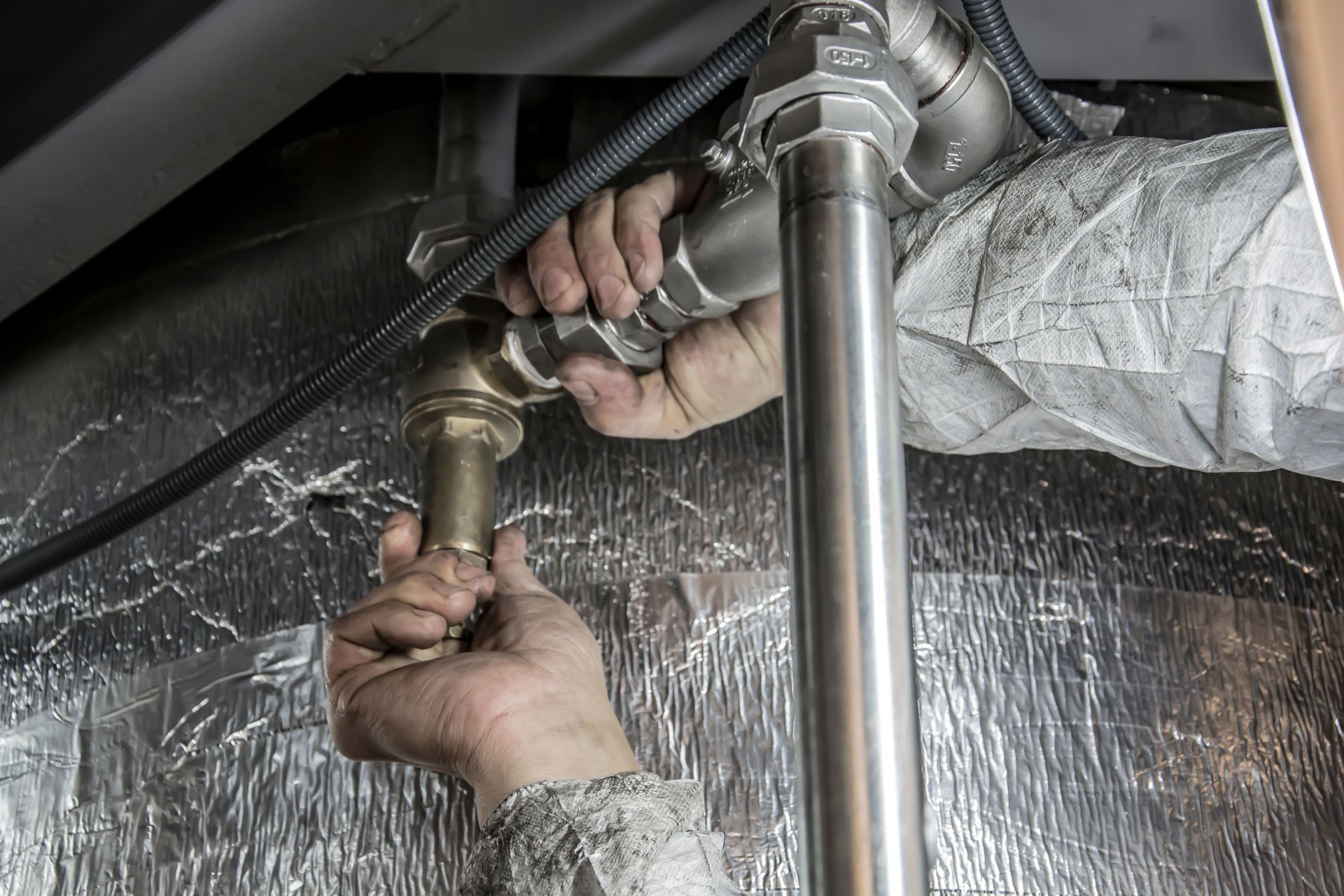
Lift station service involves accessing the wet well, removing the pump assembly, and inspecting mechanical and electrical components for wear or damage. Impellers are cleared of debris, seals are replaced if leaking, and float switches are tested to confirm they activate pumps at correct water levels. Check valves are inspected to verify they close completely and prevent wastewater from draining back into the basin after each pump cycle.
After service, the lift station resumes normal automatic operation without frequent cycling, alarm conditions, or slow drainage. Wastewater moves efficiently from the basin to the discharge line, and pumps activate only when necessary rather than running continuously or failing to start when water levels rise. You notice that fixtures drain normally again and the system operates quietly without the grinding or laboring sounds that indicate mechanical obstruction.
Lift station service does not include upgrades to basin capacity, control panel replacement, or modifications to discharge piping unless those components are directly contributing to the current failure. The focus remains on restoring the existing system to reliable operation through practical repairs rather than comprehensive overhauls that may not be necessary.
Property owners with lift stations often have questions about warning signs and what service involves.
What does it mean when the lift station alarm goes off?
The alarm typically indicates that the water level in the basin has risen above the point where the pump should have activated, signaling a pump failure, power interruption, or float switch malfunction that requires immediate attention to prevent overflow.
How often do lift station pumps need to be serviced?
Service frequency depends on usage intensity and wastewater characteristics, but most residential lift stations benefit from inspection every two to three years, while commercial systems handling higher volumes or grease-laden wastewater may require more frequent maintenance.
Why does my lift station pump keep running continuously?
Continuous operation usually indicates a check valve that is not closing properly and allowing wastewater to drain back into the basin, or a float switch stuck in the "on" position, both of which prevent the pump from completing its cycle and shutting off.
Can lift stations handle all types of wastewater?
Standard lift station pumps are designed for sewage and greywater, but solids larger than the impeller clearance—such as wipes, feminine products, or debris—cause clogs and mechanical damage that require pump removal and cleaning to restore function.
What happens if I ignore lift station warning signs in Boca Raton?
Delayed service often leads to complete pump failure, basin overflow into surrounding areas, or damage to electrical components from prolonged water exposure, all of which result in more extensive and costly repairs than addressing early warning signs promptly.
Common Questions About This Service
Nu-Flow Plumbing provides practical lift station service from a local plumbing company familiar with the systems common to Boca Raton properties. Reach property owners who need diagnosis and repair by calling (305) 985-3569 to arrange an evaluation.